Iron deficiency in women: why periods and pregnancy drain it, the signs, and the test that tells you
Between the ages of 19 and 50, a woman is advised to get more than twice as much iron each day as a man. Most of the difference comes down to one monthly fact of life, and many women run low for years without knowing it.
This article is general information, not medical advice. If you think you need care, contact a health professional.
Why women need more iron
Iron is what lets red blood cells carry oxygen: it sits at the centre of haemoglobin, the protein that picks up oxygen in the lungs and releases it in the tissues, and of myoglobin, its counterpart in muscle. The body recycles most of its iron and keeps a reserve, so it does not need much from food each day. What it cannot do is replace iron that leaves with lost blood.
That is why the recommended amounts change with sex and life stage. The figures below are the US Recommended Dietary Allowances, the daily intake that covers the needs of nearly all healthy people, as published by the National Library of Medicine's MedlinePlus and the National Heart, Lung, and Blood Institute (NHLBI).
| Who | Iron per day |
|---|---|
| Girls 14–18 | 15 mg |
| Women 19–50 | 18 mg |
| Men 19 and older | 8 mg |
| Women 51 and older | 8 mg |
| Pregnancy (any age) | 27 mg |
| Breastfeeding, 19–50 | 9 mg |
Source: MedlinePlus, Iron in diet; NHLBI, Iron-deficiency anemia.
The drop to 8 mg after 50 reflects the end of periods for most women. The jump to 27 mg in pregnancy reflects the extra blood a pregnant body makes and the iron passed to the baby. If your periods continue past 51, or stop earlier, the age bands are only a guide; ask a doctor or pharmacist what applies to you.
How common is it?
Iron deficiency develops in stages. First the stores run down, with no symptoms. Then, if nothing changes, the body can no longer make enough haemoglobin, and iron-deficiency anaemia sets in. Anaemia has other causes, such as low vitamin B12 or folate, inherited conditions and chronic disease, but the World Health Organization describes iron deficiency as the most common nutritional deficiency behind it.
According to the WHO, in 2019 anaemia affected 30% of non-pregnant women aged 15 to 49 worldwide – 539 million women – and 37% of pregnant women. The burden is heaviest in Africa and South-East Asia, but menstruating girls and women, and pregnant and postpartum women, are listed among the most vulnerable groups everywhere.
Who is most at risk
MedlinePlus and the NHLBI list the same main routes to low iron. For women, the most common ones are:
- Heavy periods. Every period costs some iron; heavy or long ones can cost more than a normal diet replaces. The WHO advises anyone with heavy menstrual bleeding to see a doctor, who may suggest iron supplements or hormonal contraception.
- Pregnancy and birth. Needs rise steeply during pregnancy, and bleeding during childbirth draws on the stores again. Iron supplements are often prescribed in pregnancy.
- Endurance sport. Long-distance runners and other endurance athletes can lose iron through the gut and through the breakdown of red blood cells.
- Frequent blood donation. Each donation removes iron along with the blood.
- Problems absorbing iron. Coeliac disease, Crohn's disease, ulcerative colitis, Helicobacter pylori infection and stomach or weight-loss surgery can all reduce how much iron the gut takes up.
- Hidden bleeding in the gut. Ulcers and other digestive conditions can bleed slowly. The NHLBI notes that regular use of aspirin or anti-inflammatory painkillers such as ibuprofen and naproxen can cause this kind of bleeding – worth knowing if you take them every month for period pain.
The signs
The NHLBI is clear that mild or moderate iron-deficiency anaemia may cause no symptoms at all. When symptoms do appear, they are vague, which is why they are easy to put down to a busy life:
- tiredness and lack of energy;
- shortness of breath, especially on exertion;
- dizziness or light-headedness, and headaches;
- cold hands and feet;
- pale skin;
- irritability.
MedlinePlus adds two physical signs of longer-standing deficiency: a pale tongue and spoon-shaped nails. Untreated, the NHLBI says, iron-deficiency anaemia can contribute to restless legs syndrome, heart problems and complications in pregnancy.
Fatigue has many possible causes, and iron is only one of them. If you are exhausted despite enough sleep – our guide to how much sleep women need covers the basics – or the tiredness is tied to work, the signs of burnout are worth reading too. A blood test is the only way to tell them apart. And chest pain or sudden breathlessness is never something to wait out: see our article on heart attack symptoms in women and call emergency services.
The blood test
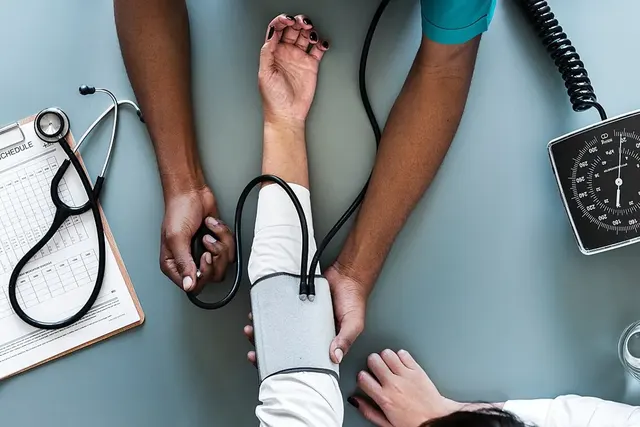
A doctor who suspects iron deficiency will usually order a blood test. According to the NHLBI, it checks:
- Complete blood count (CBC) – the number and size of your red blood cells;
- Haemoglobin – whether you are anaemic;
- Blood iron levels;
- Ferritin – a protein that stores iron, which reflects how full your reserves are.
Ferritin is the one to ask about. Because stores empty before haemoglobin falls, a low ferritin with a normal haemoglobin can show iron deficiency at an earlier stage, before anaemia. Ferritin can also be pushed up by inflammation or infection, so a result that looks normal is interpreted together with the rest of the panel. If the test shows deficiency, the next question is why, especially if you do not have heavy periods: unexplained iron loss can point to bleeding in the gut that needs investigating.
Treatment: what to expect
The most common treatment is iron supplements taken by mouth. The NHLBI says it often takes three to six months to restore iron levels, so feeling better does not mean the course is finished. Side effects are common: a metallic taste, upset stomach, constipation, diarrhoea or vomiting. If they are a problem, a doctor may suggest taking the tablets with food, lowering the dose or trying a different form of iron rather than stopping.
For serious deficiency, or when tablets are not absorbed or tolerated, iron can be given intravenously; the NHLBI notes this often takes only one or a few sessions.
Two cautions. Do not start high-dose iron on your own to treat tiredness: some people have hemochromatosis, an inherited condition in which the body stores too much iron, and extra iron harms them. And keep iron tablets out of children's reach – MedlinePlus warns that children can be poisoned by swallowing too many of them.
Eating for iron
Food iron comes in two forms. Iron from meat, fish and poultry is absorbed easily. Iron from plants, eggs and fortified foods is harder for the body to absorb, but how you combine foods changes a lot.
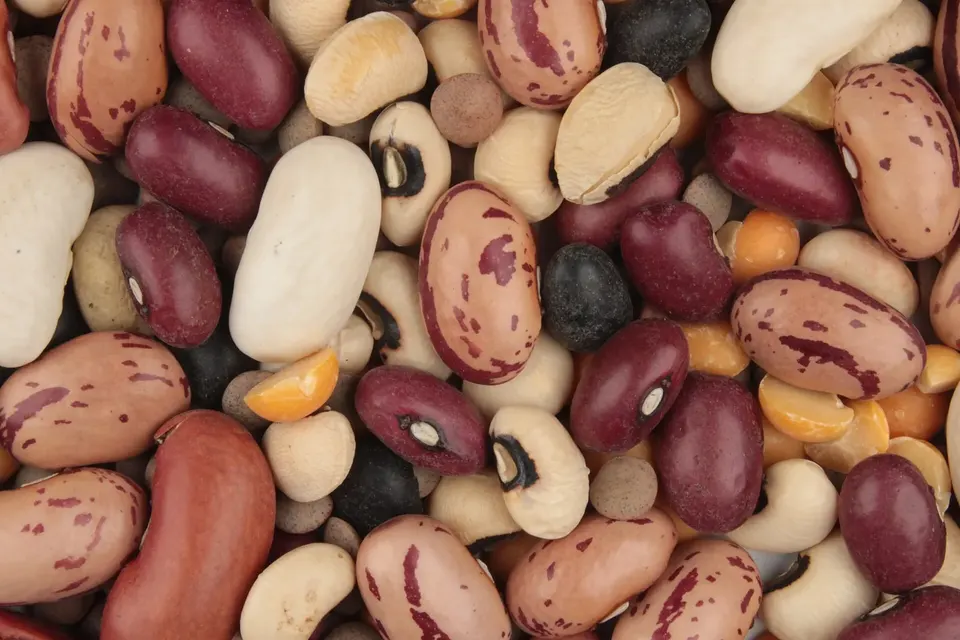
- Good sources: lean red meat, liver, oysters, poultry, salmon and tuna; eggs; beans, lentils, peas and tofu; dried apricots, prunes and raisins; dark green vegetables such as spinach, kale and broccoli; iron-fortified breads and cereals; whole grains.
- Add vitamin C to the same meal. Citrus fruit, strawberries, tomatoes and potatoes increase the absorption of plant iron.
- Mix sources. MedlinePlus notes that adding some meat, fish or poultry to a meal of beans or leafy greens can improve absorption of the plant iron up to three times.
- Move the tea and coffee. Black tea, coffee and cocoa reduce iron absorption, as do calcium and the bran in whole-grain cereals. Drink tea between meals rather than with them, and if you take calcium and iron supplements, take them at different times of day, as the WHO advises.
- Cook in cast iron. MedlinePlus notes that cooking in a cast-iron skillet can increase the iron a dish provides.
Vegetarians and vegans can get enough iron, but because plant iron is absorbed less well, the vitamin C pairing and the timing of tea and coffee matter more.
A quick checklist
- Women 19–50 need 18 mg of iron a day, pregnant women 27 mg.
- Heavy periods, pregnancy, endurance sport, blood donation and gut conditions all raise the risk.
- Tired, breathless, dizzy or pale? Ask for a blood test that includes ferritin.
- If you are prescribed iron, take the whole course – often three to six months.
- Pair iron-rich foods with vitamin C; keep tea and coffee away from meals.
- Do not self-prescribe high-dose iron, and keep tablets away from children.